
Soil & Garden Care
How Leaf Mulch Improves Soil Health | PlantPeepal
A six-month garden comparison revealed less surface pooling beneath fallen leaves. Explore how leaf mulch can support soil structure, earthworms and water infiltration.
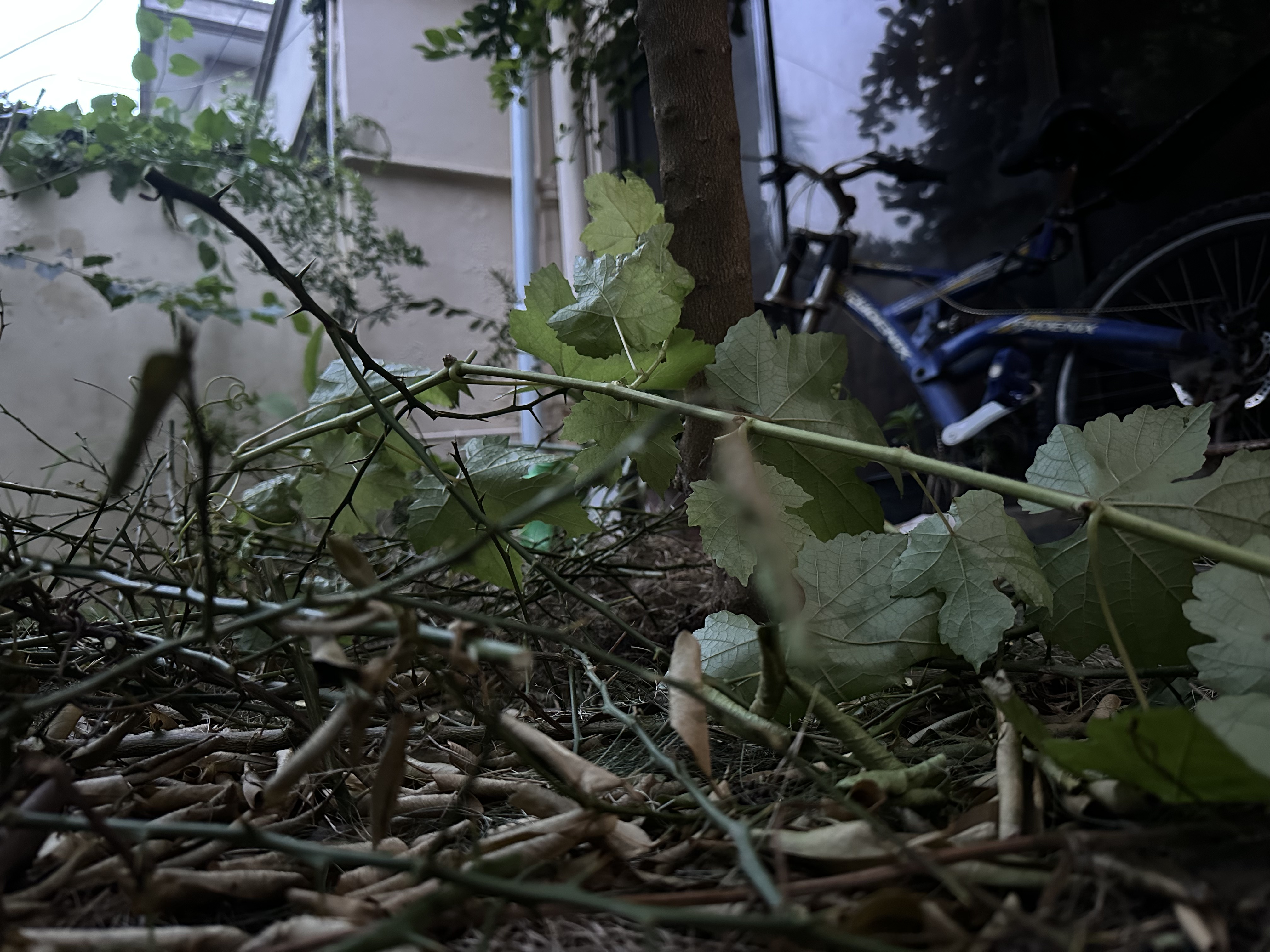
How Leaf Mulch Improves Soil Health: Lessons from a Monsoon Garden
Fallen leaves can do more than cover a garden bed. Used as mulch, they help protect the soil surface, support organisms underground, and gradually contribute organic matter. My experience with leaf mulch for soil health began after losing two young lychee plants during the monsoon. Six months after covering part of my garden with leaves, I noticed a striking difference in how quickly surface water disappeared. Here is what I observed, what it suggests, and what other gardeners can learn from it.
From Waterlogged Soil to a Simple Mulching Trial
My small garden contains trees, shrubs, and smaller plants. During the previous monsoon, two recently planted lychees faced persistently wet soil. A terrace drain directed additional rainwater into the garden, leaving little opportunity for the ground to dry.
Both plants eventually died following prolonged waterlogging, with root rot the suspected cause. Lychees grow best in well-drained soil, and excessive watering can cause decline and root rot. University of Florida IFAS
The following year, I covered the soil beneath my seven-year-old lemon tree with approximately four inches of dead leaves. Water had previously pooled there, although the established tree had survived.
I left an adjacent patch uncovered for comparison. I did not loosen either area, add compost, or change the terrace drainage.
The 10-Litre Water Comparison
After about six months, water appeared to soak into the mulched patch much faster. To compare the two areas, I poured 10 litres onto each.
The patches were similar in size and starting moisture, and I poured at the same speed.
Observation | Leaf-mulched patch | Uncovered patch |
|---|---|---|
Water added | 10 litres | 10 litres |
Surface pooling | Disappeared within a couple of minutes (no sign of stagnant water after 3 minutes) | Still present after 21 minutes |
Check beneath the leaves | No hidden standing water; soil remained a little soggy | Not applicable |
The clearest finding was less surface pooling in the mulched patch.
This suggests improved water infiltration—the movement of water into soil. It does not establish how quickly water drained below the root zone. Some water may also have been absorbed by the leaves, and differences in roots or soil structure could have influenced the result.
Even with those limitations, the observation was useful: the mulched area behaved noticeably differently under comparable watering conditions.
How Leaf Mulch Can Improve Soil Health
Mulch protects bare soil from the impact of heavy rain. This helps preserve surface structure and the openings through which water enters, supporting infiltration. USDA soil health guidance
As leaves decompose, they contribute organic matter and support microorganisms. Organic matter helps soil particles form stable clusters, called aggregates, with spaces between them for air and water.
Mulch also reduces evaporation and moderates soil temperature. These effects explain why improved water entry and moisture retention can occur together: water can enter more readily while the soil loses moisture more slowly between rainfall events. University of Minnesota Extension
Six months gave these processes time to develop in my garden, although I did not measure changes in soil structure directly.
What the Earthworms Suggest
I also noticed many earthworms beneath the leaf mulch.
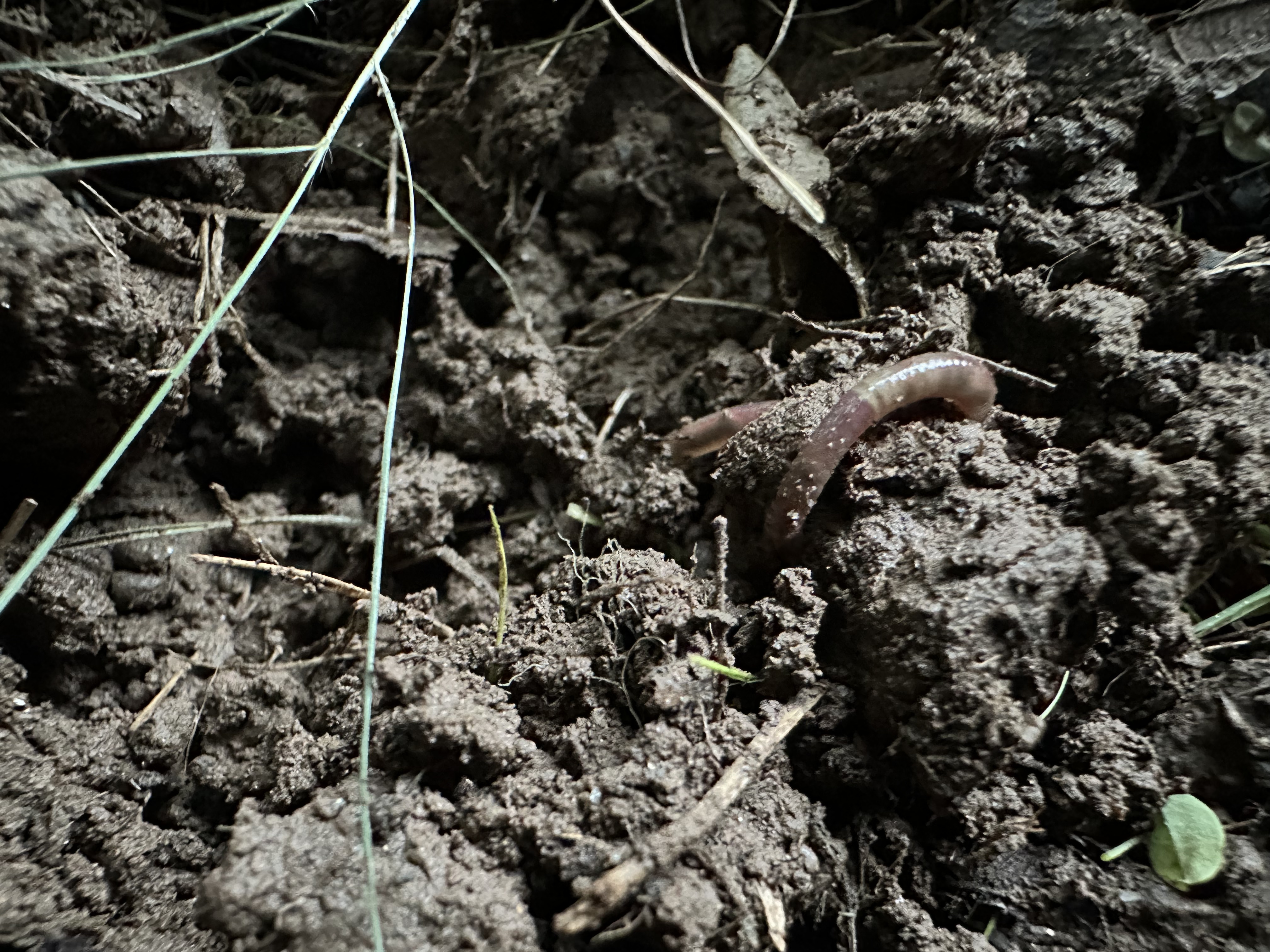
An earthworm uncovered after gently removing the leaf mulch and approximately one inch of soil in the mulched patch.
Leaf litter supplies food, while mulch helps maintain a favourable moisture and temperature environment. Earthworms contribute to decomposition, and their burrows can create pathways or air and water. USDA earthworm guidance
Their presence was an encouraging sign of biological activity. Without counts before and after mulching, however, I cannot say how much their population changed or how much they contributed to the faster infiltration.
Can Mulching Fix Waterlogged Soil?
Mulching can support better soil conditions, but this comparison does not demonstrate that it resolves waterlogging.
The soil beneath my leaves remained a little soggy immediately after watering. Surface water disappearing does not necessarily mean the deeper root zone has drained or regained adequate air.
In gardens receiving concentrated roof or terrace runoff, the volume and destination of that water still matter. Mulching should form part of soil care alongside attention to drainage and suitable planting locations.
Practical Leaf-Mulching Tips for Home Gardeners
Keep mulch clear of trunks and stems. Leave the plant base exposed.
Monitor depth as leaves settle. General guidance recommends roughly two to four inches of mulch; my four-inch application is a description of this trial.
Check beneath the mulch before watering. A dry-looking surface can cover moist soil.
Replenish as the material decomposes. Avoid repeatedly adding layers without checking the existing depth.
These practices help balance soil protection, moisture retention, and plant health. University of Minnesota Extension
For my garden, fallen leaves became a useful soil-care resource. After six months, the covered patch showed markedly less surface pooling and abundant earthworms. Continuing to observe soil moisture and plant growth through future monsoons will help show whether those benefits persist.
Sources and further reading
- Add the four sources listed below, one URL per line. These appear publicly as references.