
Seasonal Plant Care
Why Your Fig Tree Loses Leaves in Autumn
Autumn leaf fall is normal for common figs, but timing, soil moisture, and other symptoms help distinguish seasonal change from stress. Here is a practical check for container and garden-grown trees.
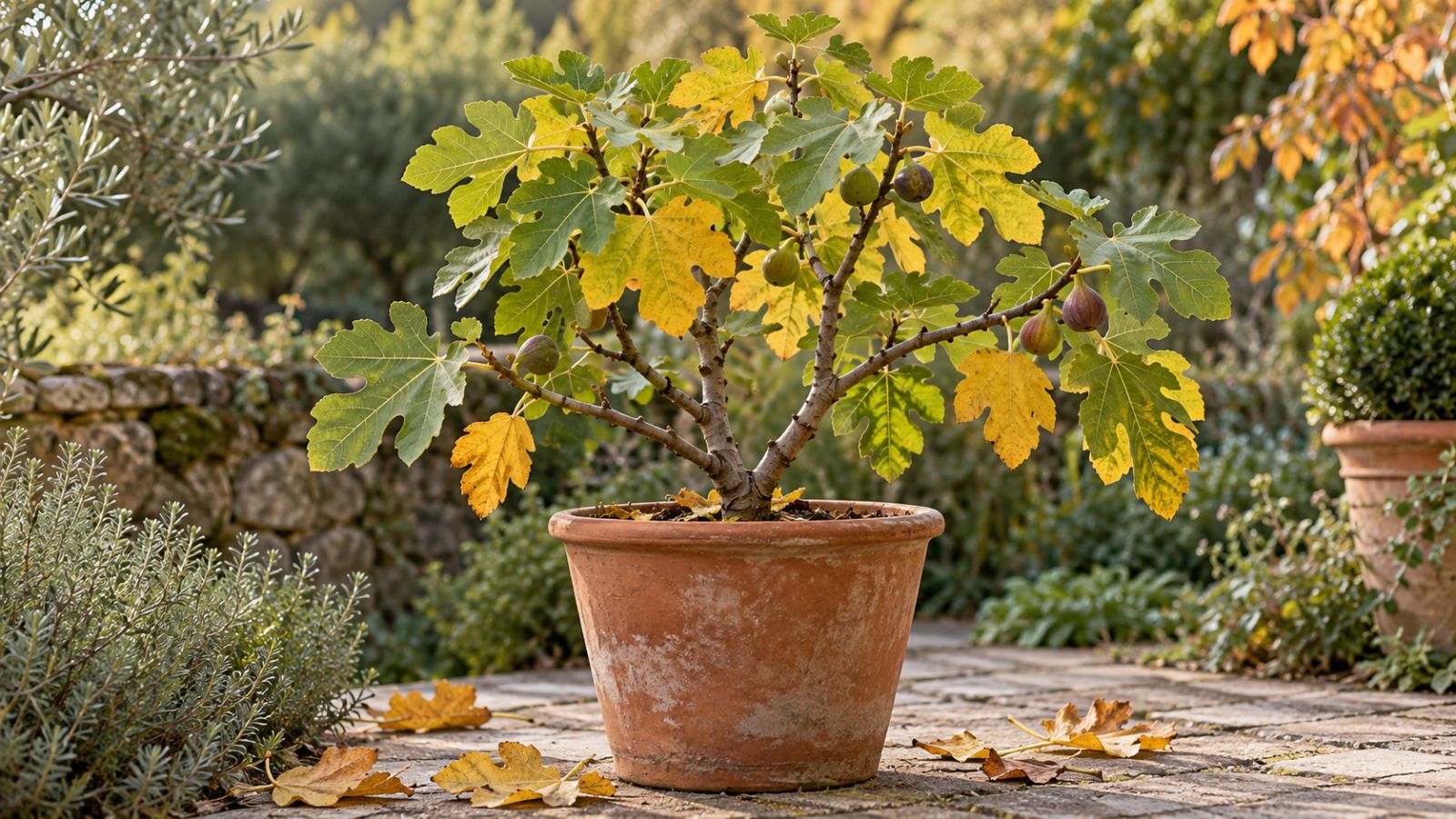
A fig that looked full and green in summer can become surprisingly bare as the season changes. For common fig, Ficus carica, losing leaves is part of its deciduous habit. Autumn leaf fall does not, on its own, mean the tree is dying. The more useful checks are when it is happening, what the remaining foliage looks like, and whether the roots have suitable growing conditions.
First, confirm which fig you are growing
The name matters. This guide concerns the fruiting common fig, not a fiddle-leaf fig or another ornamental Ficus with different care needs. Keep the botanical name and cultivar on the plant's record if known. North Carolina Extension's common-fig profile identifies Ficus carica as deciduous and describes its growing requirements.
There is no universal calendar date for leaf fall. Climate, weather, and the tree's situation matter. A photo from last autumn taken in the same garden can be more useful than a social-media picture from a much warmer region. Record your own seasonal pattern before deciding the current one is unusual.
What fits an ordinary autumn transition?
A gradual change as the local growing season ends is consistent with seasonal leaf loss. Some late-season browning or discoloration may reflect senescence, the natural ageing of leaves. University of Maryland Extension notes this in its fig-growing guide. A bare crown in that context is different from a tree dropping leaves suddenly during active summer growth.
Use a simple comparison: did the tree grow and carry healthy foliage earlier in the season, is the leaf loss broadly following local autumn conditions, and are there separate signs of trouble? These are organizing questions, not a test that proves the tree healthy. Normal seasonal change and another problem can occur together.
When to investigate further
Leaf drop during dry weather: check the root ball, particularly for pots near walls or under cover. The RHS notes that insufficient moisture can cause figs to shed leaves or fruit.
Persistently wet mix: inspect the drainage setup and empty standing water from the outer pot or saucer. Wet conditions do not become harmless just because leaves are falling.
Distinct spotting, pests, or unusual damage: photograph both sides of affected leaves and ask for help identifying the cause instead of treating every autumn mark as disease.
Ongoing decline beyond leaf loss: seek local advice if the tree has severe dieback, damaged stems, or fails to resume expected growth in the following growing season.
The RHS fig-care guide covers watering and winter care. North Carolina Extension lists pests and diseases that can affect common figs; their presence must be checked, not inferred from a bare tree.
Adjust autumn care to the actual conditions
Continue checking moisture instead of following summer watering habits automatically. Container trees can dry out, but waterlogging is also a risk in cool, wet conditions. Water when needed for the plant's current state and allow excess to leave freely. The RHS container-tree guidance highlights both drying and winter waterlogging as concerns. If you use fallen leaves as mulch around garden plants, our leaf-mulch guide covers checking moisture beneath them and keeping trunks clear.
In a cold climate, make a winter-protection plan before damaging weather arrives. Container-grown figs may need a suitable sheltered overwintering location. The RHS describes moving container figs to an unheated protected space after autumn leaf fall; the right arrangement depends on your winter temperatures and cultivar. Its UK guidance is a starting point, not a temperature guarantee for every garden. Ask a local nursery or extension service about your conditions.
Keep a seasonal record, not just a worry list
Note the first visible colour change, the approximate start of leaf fall, any unusual weather, and where the tree spends winter. Add a whole-tree photograph from the same position. In spring, record when buds begin opening. A repeated annual record helps you describe a change clearly without pretending that last year's date predicts this year's weather.
For next steps, see when to water container plants, how to improve pot drainage, and our plant-growth record template.
About this guide
This is a research-based editorial guide, prepared with AI-assisted drafting and checked against the linked horticultural references. It does not report an original PlantPeepal growing trial or claim independent expert review.
Sources and further reading
- Research-based editorial guidance. AI-assisted drafting; no original growing trial or independent expert review is claimed.
- https://plants.ces.ncsu.edu/plants/ficus-carica/
- https://www.rhs.org.uk/fruit/figs/grow-your-own
- https://www.extension.umd.edu/resource/growing-figs-maryland
- https://www.rhs.org.uk/plants/types/trees/for-containers
- Featured image: AI-generated editorial illustration.